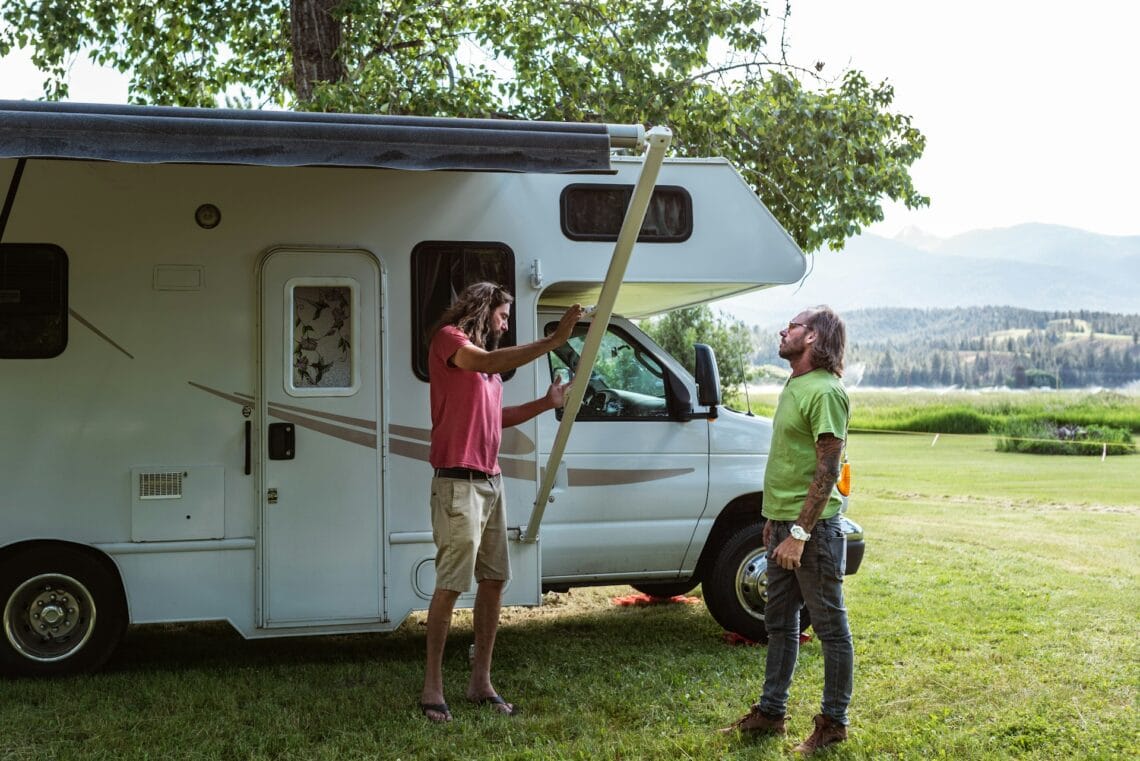
The RV rental business in Colorado Springs, CO, is booming, thanks to a surge in interest from travelers eager to explore the scenic beauty of the area. As more people opt for RV rental adventures, ensuring safety becomes increasingly important. Safety training isn’t just a checkbox; it’s a key aspect that enhances the experience for both renters and business owners. It’s vital to feel confident that everyone knows how to operate and maintain these vehicles safely. This article dives into why RV rental safety training is important and how to implement it effectively.
Safety training plays a critical role in running a successful RV rental operation. It helps prevent accidents, reduces liability, and enhances customer satisfaction. The goal is to provide renters with a safe and enjoyable journey and to avoid any incidents that could damage the RV or put occupants at risk. We will cover basic safety measures, the components of a comprehensive training program, and the best ways to communicate safety instructions to renters. Let’s take a look at the fundamental aspects of RV safety.
Understanding the Basics of RV Safety
RV safety training benefits everyone: staff, renters, and the business itself. For staff, it means handling and maintaining the vehicles with care. For renters, it ensures they enjoy a safe trip without unexpected surprises. Providing clear guidance and focusing on these aspects builds trust and reliability.
Here are some basic safety measures every RV renter should know:
– Familiarize with Vehicle Controls: Renters should understand the vehicle’s dashboard, control panels, and any unique features.
– Conduct a Pre-Trip Inspection: Just like checking a car before a trip, inspecting brakes, lights, tire pressure, and fluid levels is crucial.
– Safe Driving Practices: Understanding the size and weight of an RV is different from driving a car. Renters need to be more cautious with turns, parking, and stopping distances.
Each rental should come with a checklist of these essential safety features:
– Seat belts in good condition and easy for all passengers to use.
– Fire extinguisher accessible and fully charged.
– Working smoke and carbon monoxide detectors.
– Exit windows and emergency exits clearly marked and operational.
Teaching these basics to renters sets a strong foundation. It helps ensure they embark on their journey well-prepared and reduces the likelihood of accidents. Starting with these essentials makes sure everyone feels secure and confident on the road. Understanding the basics of RV safety is our first step, but we will need a more comprehensive safety training program to cover all aspects thoroughly.
Creating a Comprehensive Safety Training Program
A well-rounded safety training program is crucial to ensure the safety of both renters and the RVs themselves. Developing such a program involves several essential steps that need attention. Start by outlining the specific training needs, which are tailored based on the types and sizes of the RVs in your fleet. This helps identify key focus areas where training is most required.
Next, integrate important topics into the training sessions. These should cover everything from basic driving tips to handling emergencies. Renters must understand how to navigate unique RV challenges, such as managing vehicle dimensions and maintaining balance while driving. Emergency procedures should also be a priority, equipping renters with the skills needed to act swiftly during unexpected situations like a flat tire or engine failure.
Don’t overlook the importance of hands-on training and simulations. Engaging renters through practical demonstrations can greatly reinforce theoretical knowledge. By simulating real-world scenarios, renters can apply what they’ve learned in a safe environment, which boosts their confidence when they set off on their journey.
Effective Communication and Instructions
Clear communication of safety procedures keeps everyone on the same page. Start by simplifying the safety instructions, making them easy for renters to understand and follow. Consider using visual aids, like diagrams or videos, to enhance comprehension.
Creating detailed checklists for renter education is another effective strategy. These checklists should outline everything renters need to consider before hitting the road, from safety checks to proper loading of gear. A well-thought-out checklist can be a handy guide to ensure nothing is overlooked.
Also, regular updates and refresher training sessions are essential to keep safety protocols up-to-date. As new safety technologies and practices evolve, making sure your renters and staff stay informed helps maintain high safety standards.
Monitoring and Improving Safety Standards
Book regular assessments of safety protocols as a standard practice. This allows for a systematic review of current procedures, identifying any weak points that might need attention. Listening to feedback from both renters and staff offers valuable insights into the effectiveness of existing safety measures.
Using this feedback, you can implement necessary improvements, adapting to any changes in regulations. It also highlights the dynamic nature of safety training, making sure your training programs evolve to match the latest safety expectations.
Ensuring Compliance with Local and Federal Regulations
Understanding and adhering to safety regulations is essential for any business. In Colorado Springs, CO, it’s important to stay aware of both local and federal safety requirements. These regulations ensure that all vehicles and practices align with safety laws.
Make it a point to stay updated with any regulatory changes, ensuring that your fleet and safety measures comply at all times. This not only helps avoid legal issues but also assures renters of a commitment to safety.
Making Safety a Key Selling Point
Highlighting your commitment to safety can be an effective marketing tool. Customers are more likely to choose a business where they feel secure. Use safety certifications and training as selling points in marketing materials.
Additionally, sharing success stories and positive feedback related to safety can build customer trust. When renters have confidence in your commitment to safety, more will be drawn to your business.
Navigating the Path to a Safer RV Rental Business
Safety training is key to creating a culture of safety in your RV rental business. By prioritizing comprehensive safety training, you not only protect your assets and clients but also enhance their overall experience. Encouraging continuous improvement means you’ll always be ready to face any new challenges head-on.
Fostering an environment where safety is at the forefront allows you to operate more smoothly, build a positive reputation, and ultimately contribute to the growth of your business. It’s a journey worth investing in for the well-being of everyone involved, ensuring that each trip is memorable for the right reasons.
Enhance your business with effective RV rental safety training. At RV Rental Coaching, we understand the importance of keeping both renters and RVs secure. Educating renters isn’t just about maintaining safety; it’s about improving their whole travel experience. Explore our RV Rental Safety Training to ensure you provide top-notch service while fostering a culture of safety in your business. Let’s make each journey a safe and memorable adventure.
